
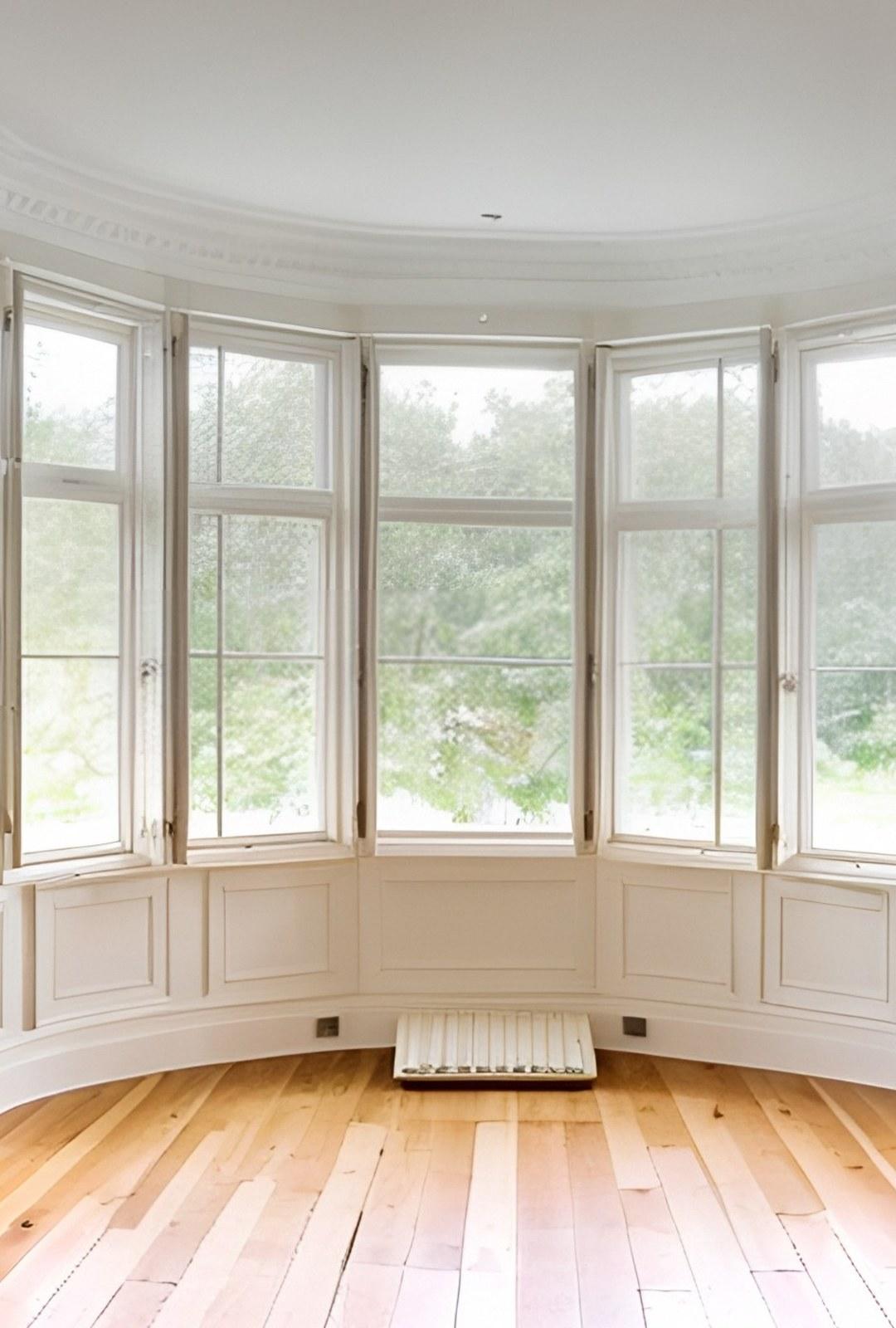
Restoration and lime plastering
Lime plastering and cornice restoration in London
Restoring period walls and ceilings with traditional materials, for Victorian, Georgian and listed homes.
- Breathable lime
- Listed buildings
- Method statements supplied
Restoration plastering
Restoring period walls and ceilings with traditional materials
Victorian, Georgian and older homes were built with lime, and they need to stay that way. Our lime plastering team in London repairs and replasters in lime to match the original materials, saves lath and plaster ceilings wherever they can be saved, and restores cornices, ceiling roses and mouldings. Once the plaster has cured, our decorators finish it in breathable paints, often as part of a heritage redecoration.
- Breathable lime
- Lets solid walls dry out
- Original features kept
- Cornices, roses and lath saved
- Listed building ready
- Method statements supplied
- Lath and plaster ceilings
- Repaired in lime instead of replaced
Lime plastering
Lime or gypsum: why it matters
Using the wrong plaster on an old wall causes damp and decay. Compare the two.
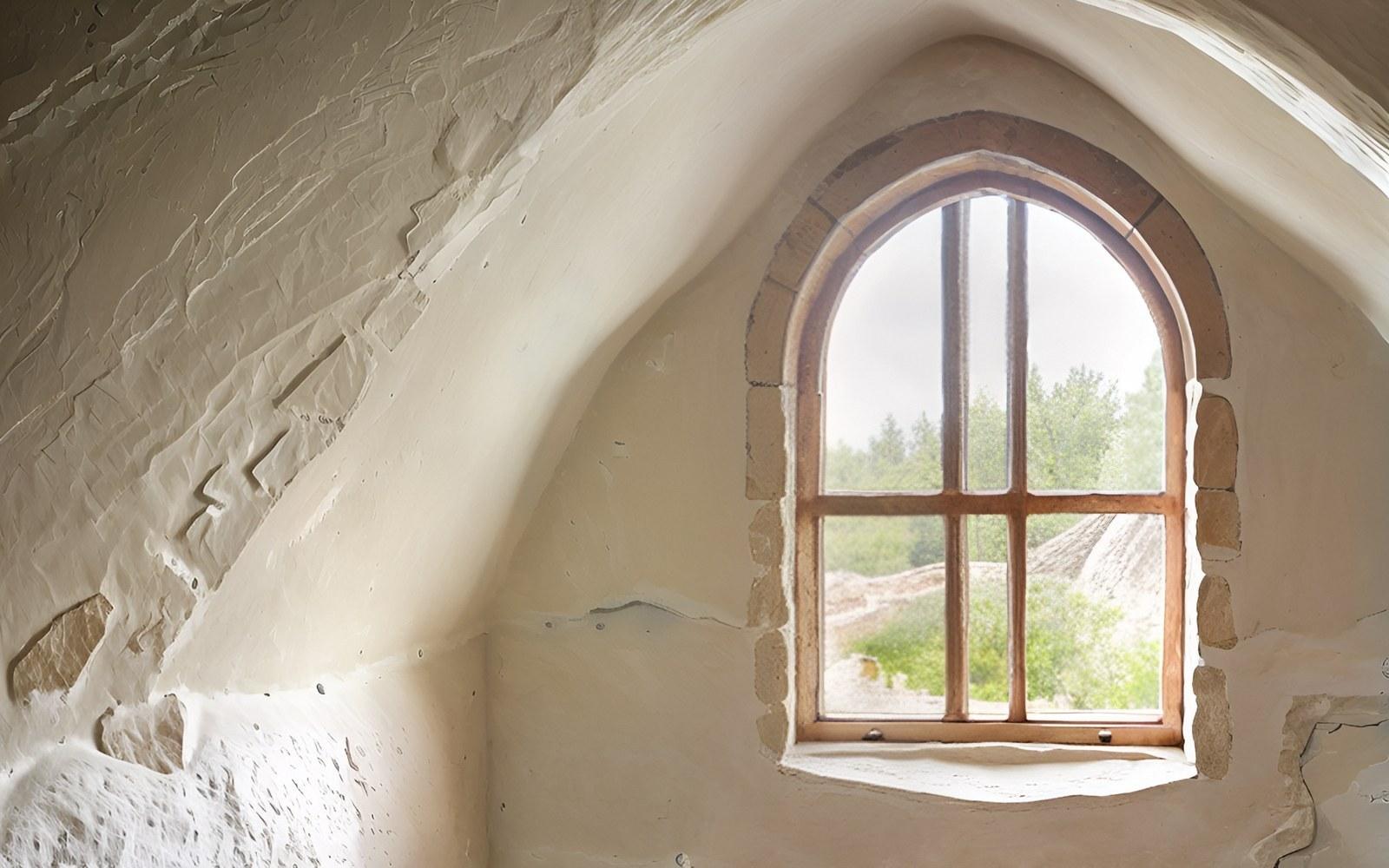
Lime plaster
Breathable, flexible and self-healing, lime plaster lets moisture leave solid walls and moves with an old building. It is the right choice for most homes built before about 1920.
Best for
- Solid brick and stone walls
- Lath and plaster ceilings
- Listed buildings
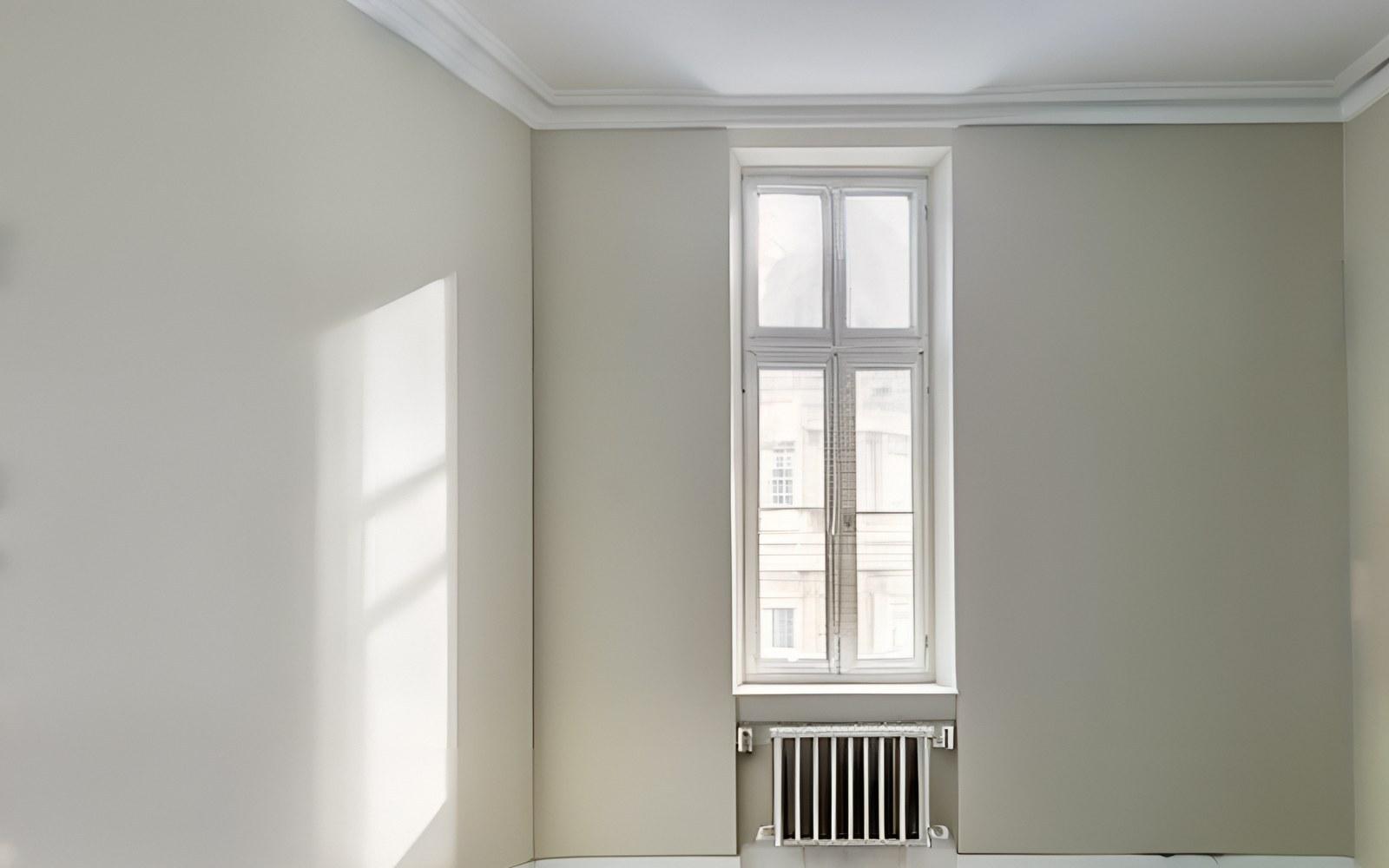
Gypsum plaster
Quick to apply and dry, gypsum is ideal for modern buildings and plasterboard, but it traps moisture in old solid walls and can fail as a result.
Best for
- Modern cavity walls
- Plasterboard
- Extensions and new builds
Cornicing London
Cornice restoration and mouldings
Hover over each service to see examples of our cornice restoration in London.
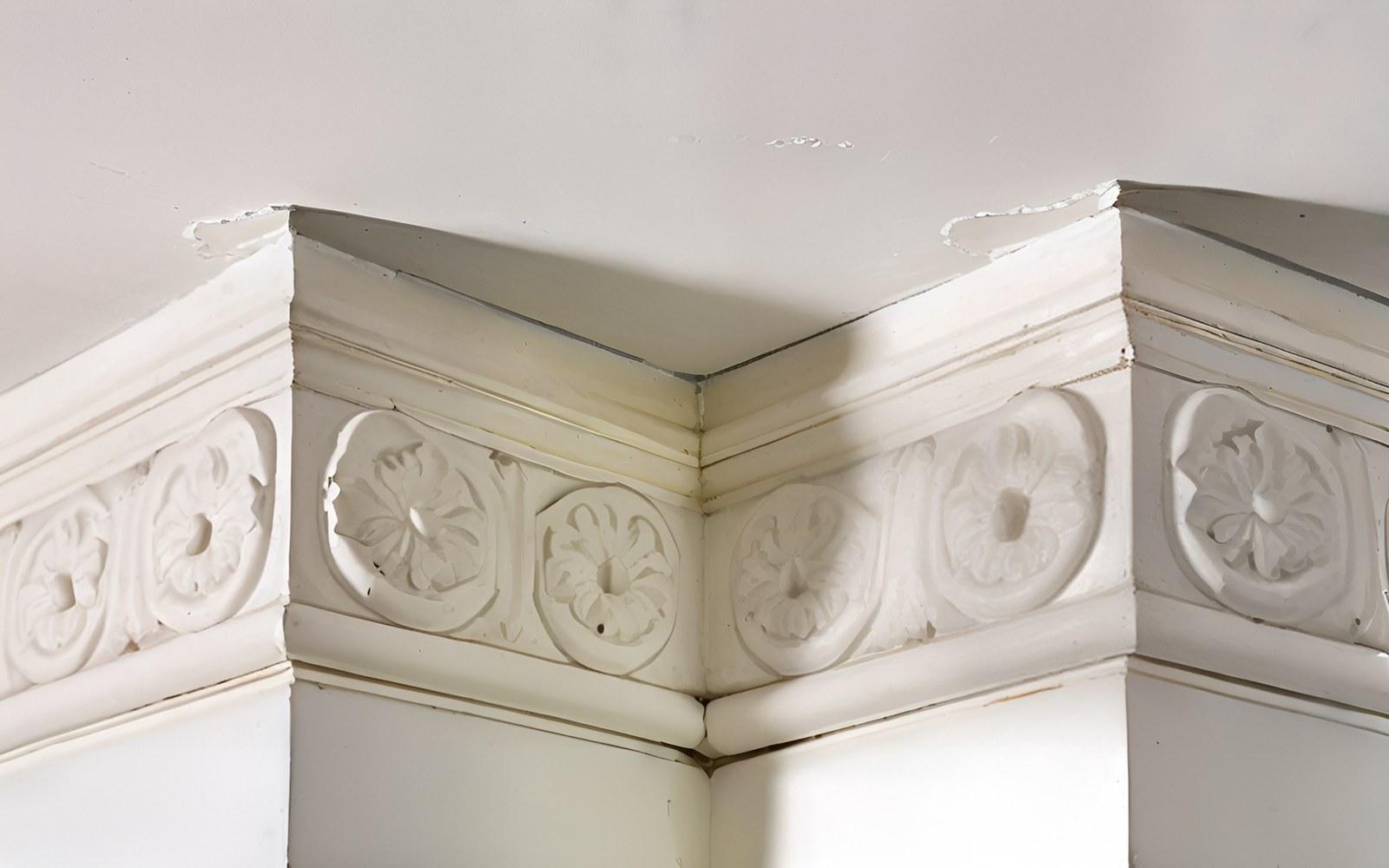
Cornice repairs
Cracked, chipped and missing sections repaired by hand to match the original profile.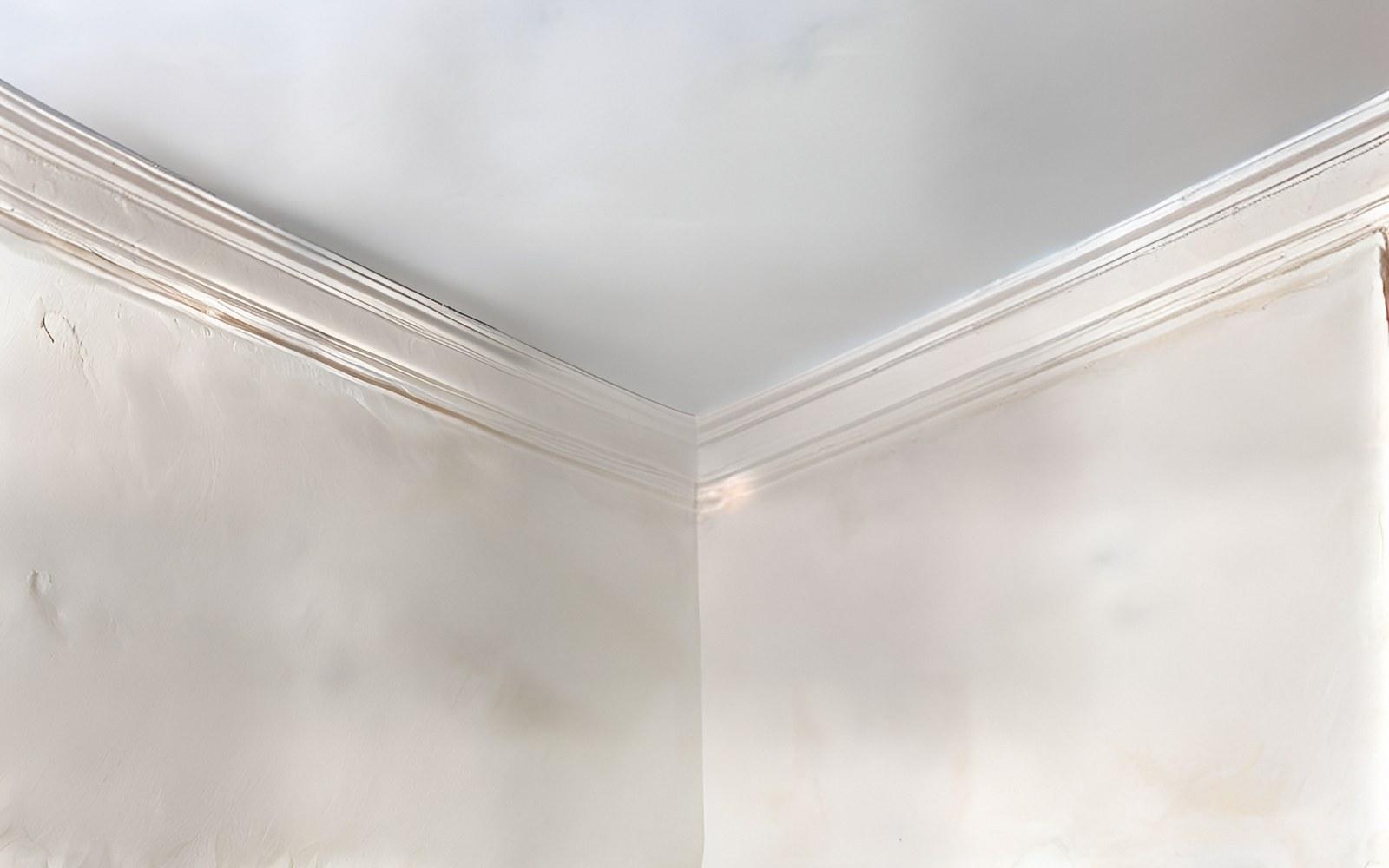
Running new cornice in situ
Long missing runs recreated in place with a profile cut to match.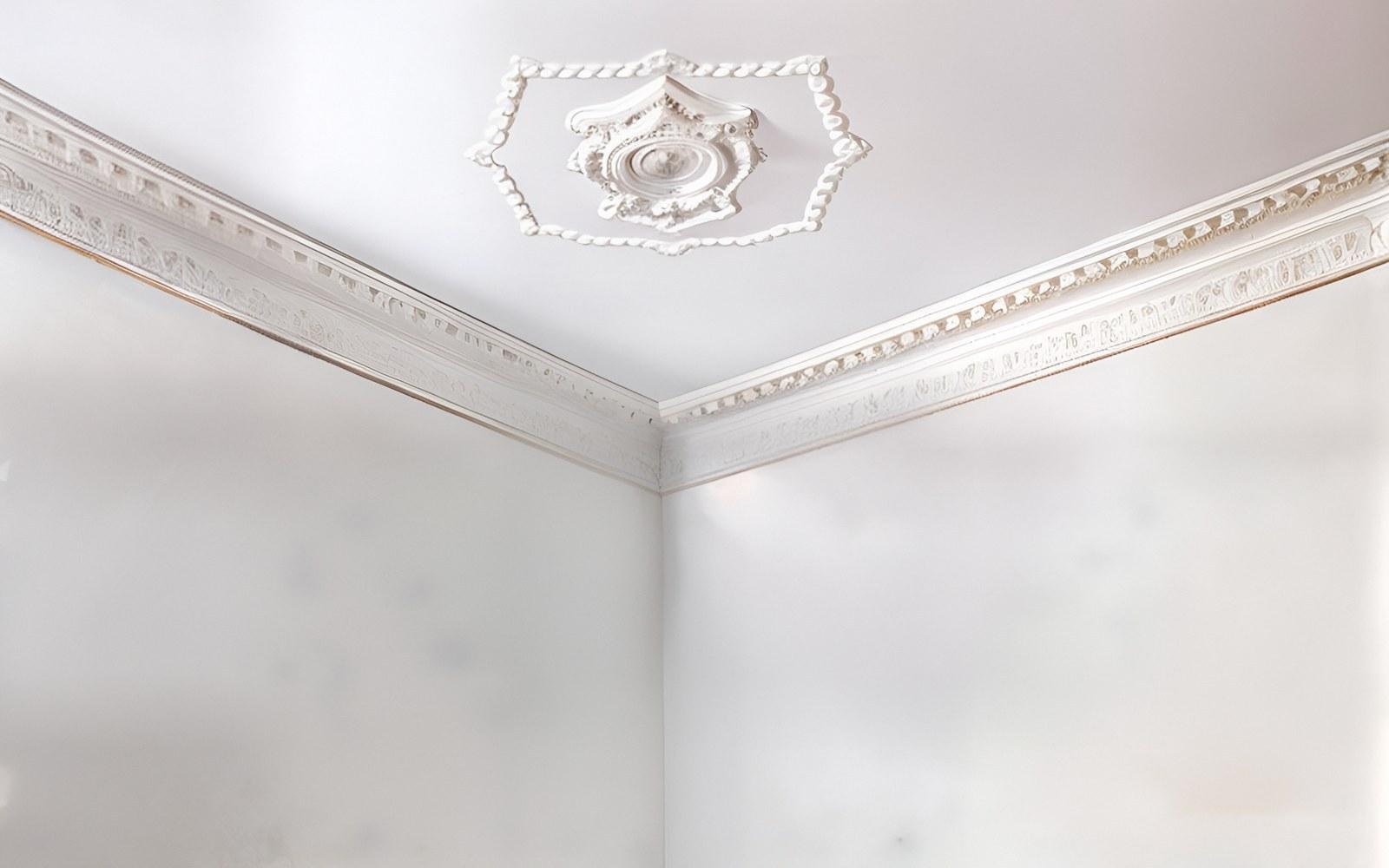
Fitting new cornices
Fibrous plaster cornices cast to match, or chosen to suit the period.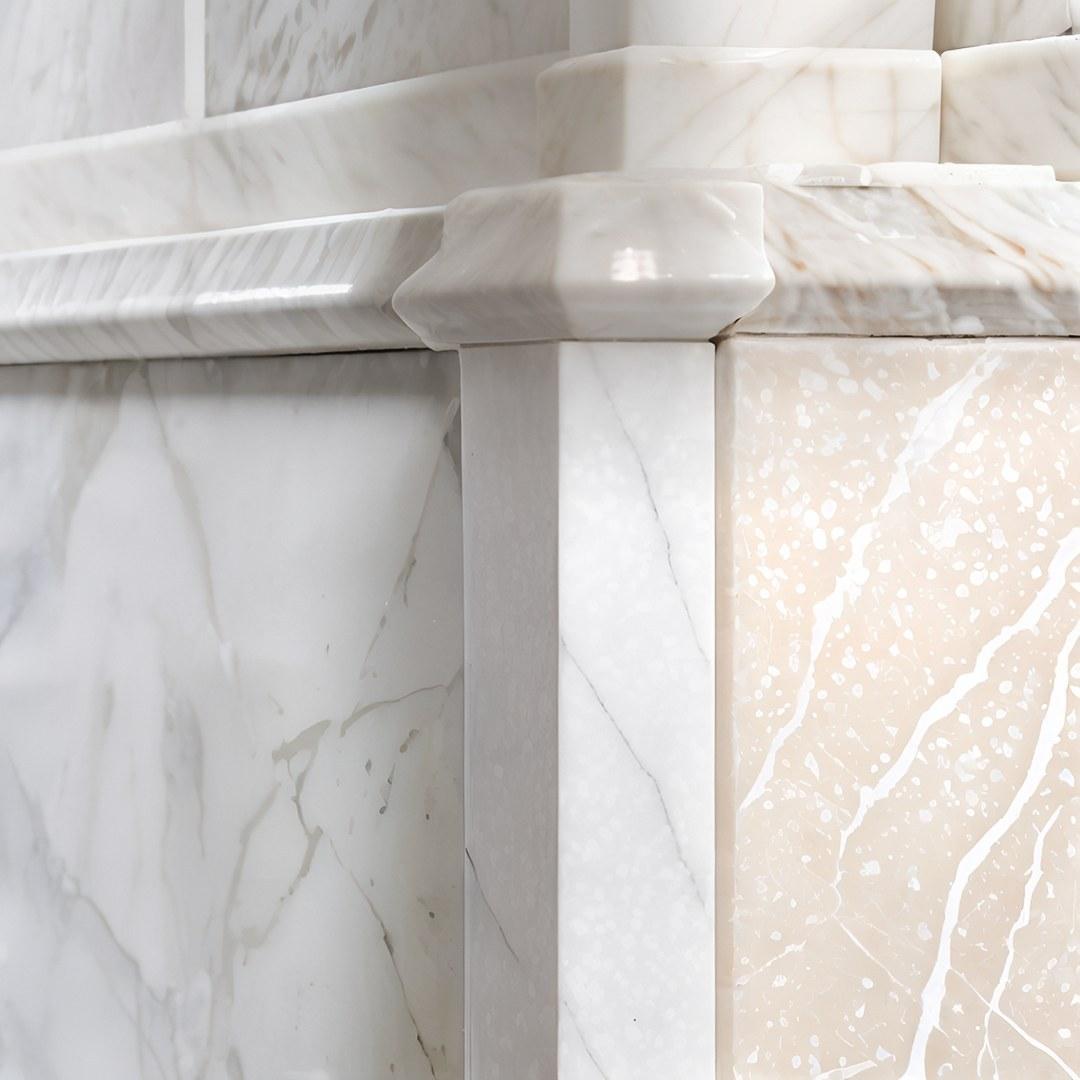
Ceiling roses and mouldings
Roses, corbels, panel mouldings and dado rails restored or recast.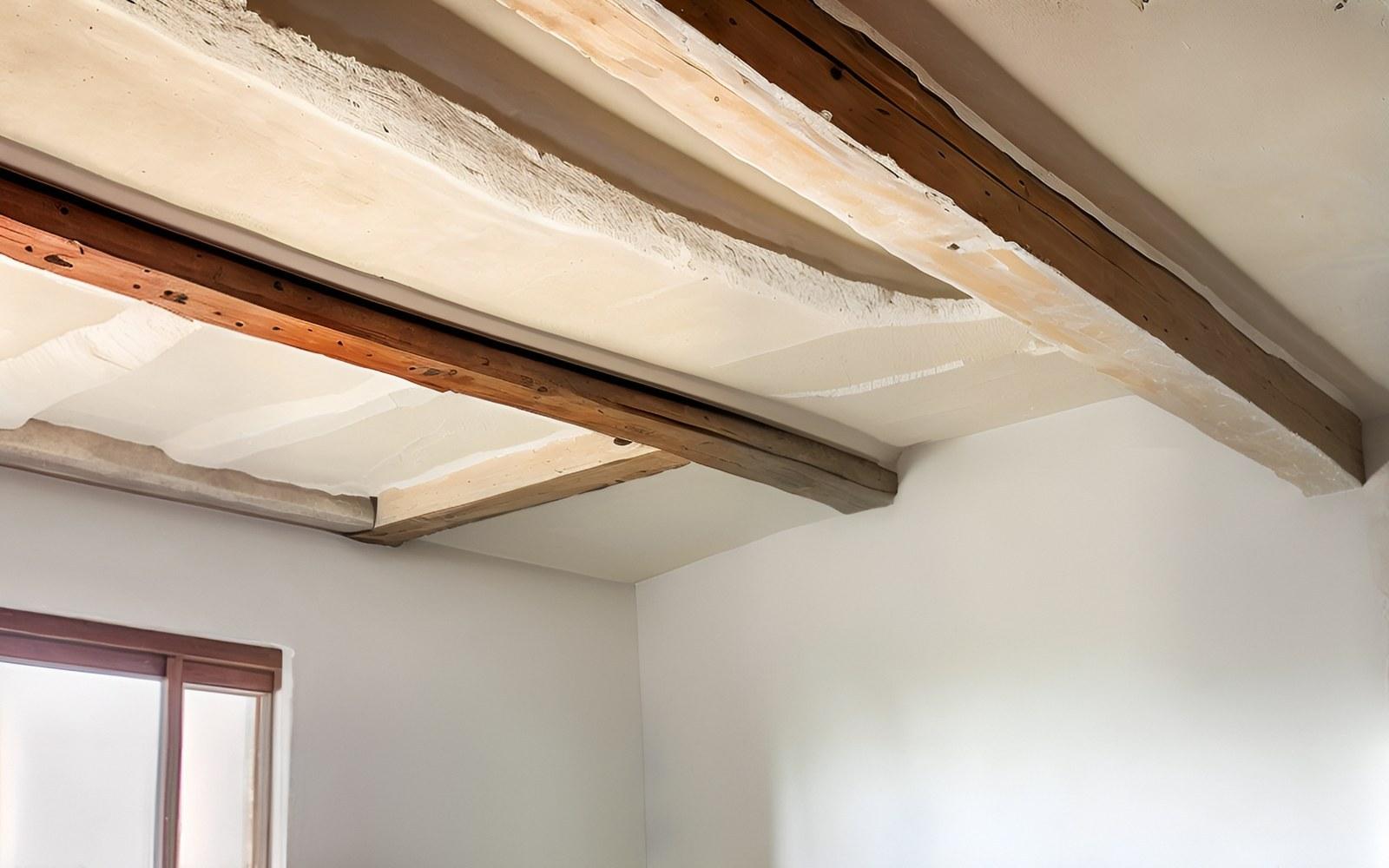
Lath and plaster ceilings
Loose plaster re-fixed and damaged areas repaired in lime.
Heritage project
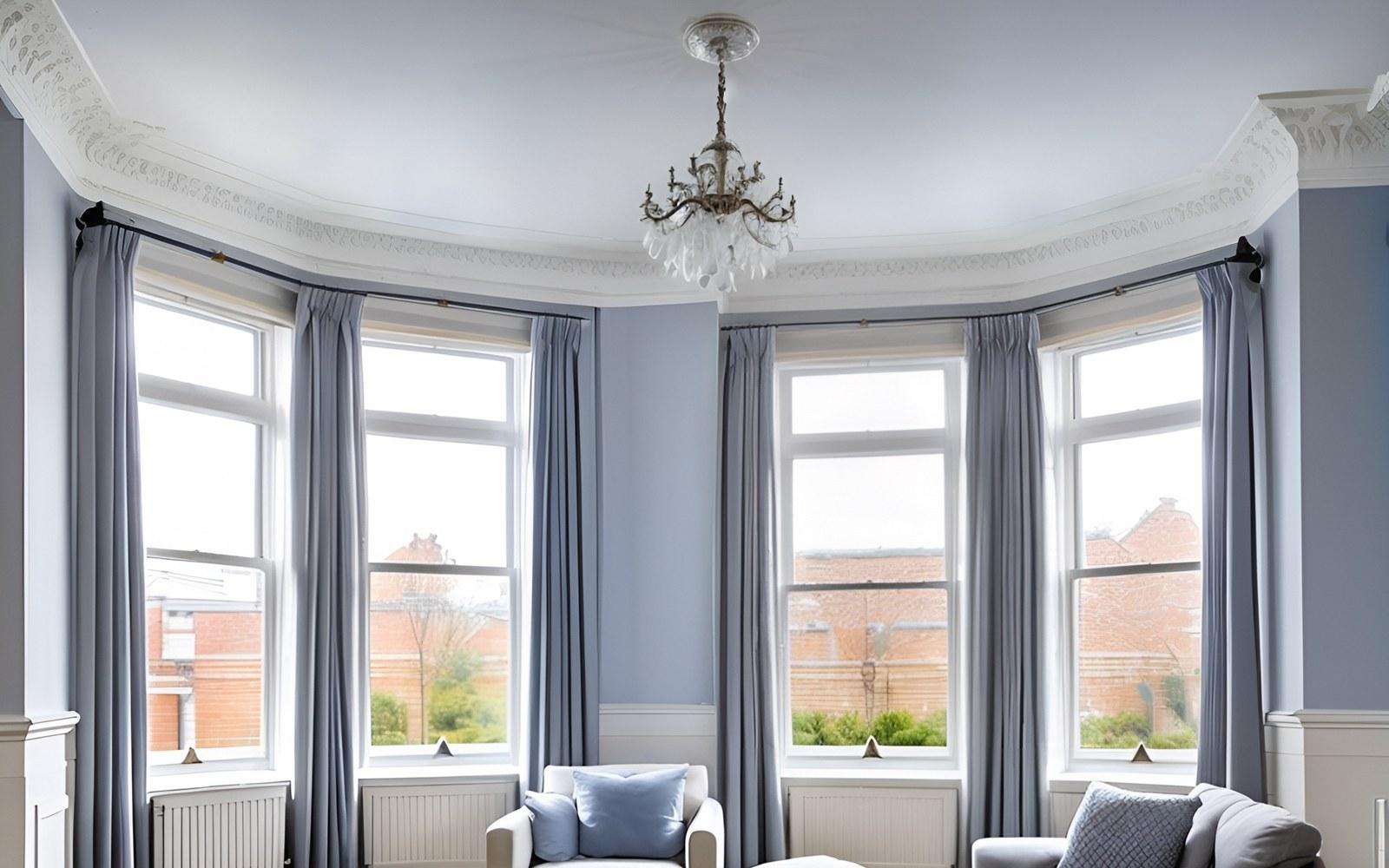
An Edwardian home in Kew, renovated and extended
Full plasterboarding, plastering and decorative finishes for a five-bedroom Edwardian renovation and extension in Kew, so the original house and the new extension finish as one home.
- Bedroom Edwardian home
- 5
- Team, board to final coat
- 1
- Plastered and decorated
- Throughout
FAQ
Lime plastering questions
Why use lime plaster instead of gypsum in an old house?
Older buildings were built to breathe: moisture moves in and out of solid walls. Lime plaster lets it, while gypsum and cement trap it, which leads to damp, salts and crumbling plaster. Lime is also more flexible, so it copes with the small movements of an old building without cracking.
Do I need permission to replaster a listed building?
Often, yes. Work that affects the character of a listed building, including replacing historic plaster, usually needs listed building consent. We provide method statements and material specifications for your conservation officer and work to the approved scheme.
How much does lime plastering cost?
Lime plastering costs more than gypsum because it is applied in more coats and cures slowly. As a guide, lime plastering a room costs from about £1,200 to £2,500, and cornice repairs from £250 for a short run. We quote each job after a free survey.
Can you repair or recreate a damaged cornice?
Yes. Small areas are repaired by hand; longer missing runs are recreated by running new lengths in place with a profile cut to match the original; and fibrous plaster replacements can be cast to match. Ceiling roses and other mouldings can be restored or recast.
Can a lath and plaster ceiling be saved?
Often, yes. If the laths are sound we can re-fix loose plaster and repair the damaged areas in lime, keeping the original ceiling and its character.
Why does lime plaster take longer?
Lime cures slowly by absorbing carbon dioxide from the air, so each coat needs time before the next. The result is a flexible, breathable finish that suits old buildings far better than gypsum.
Free quotes
Get a quote for restoration plastering
Send us photos of the walls, ceilings or cornices and we will arrange a free survey and a fixed quote.
- 07852 371651
- Monday–Saturday: 07:00–18:00